Project Overview
This project is a web-based Human Resource Management System (HRMS) designed to manage employee-related activities in an organization.
It helps HR teams handle tasks like employee records, attendance, roles, and basic administration. The system provides a centralized platform to store and manage employee data efficiently.
The application is typically built using modern technologies like React for the frontend and Node.js with Express.js for backend services.
Screenshots

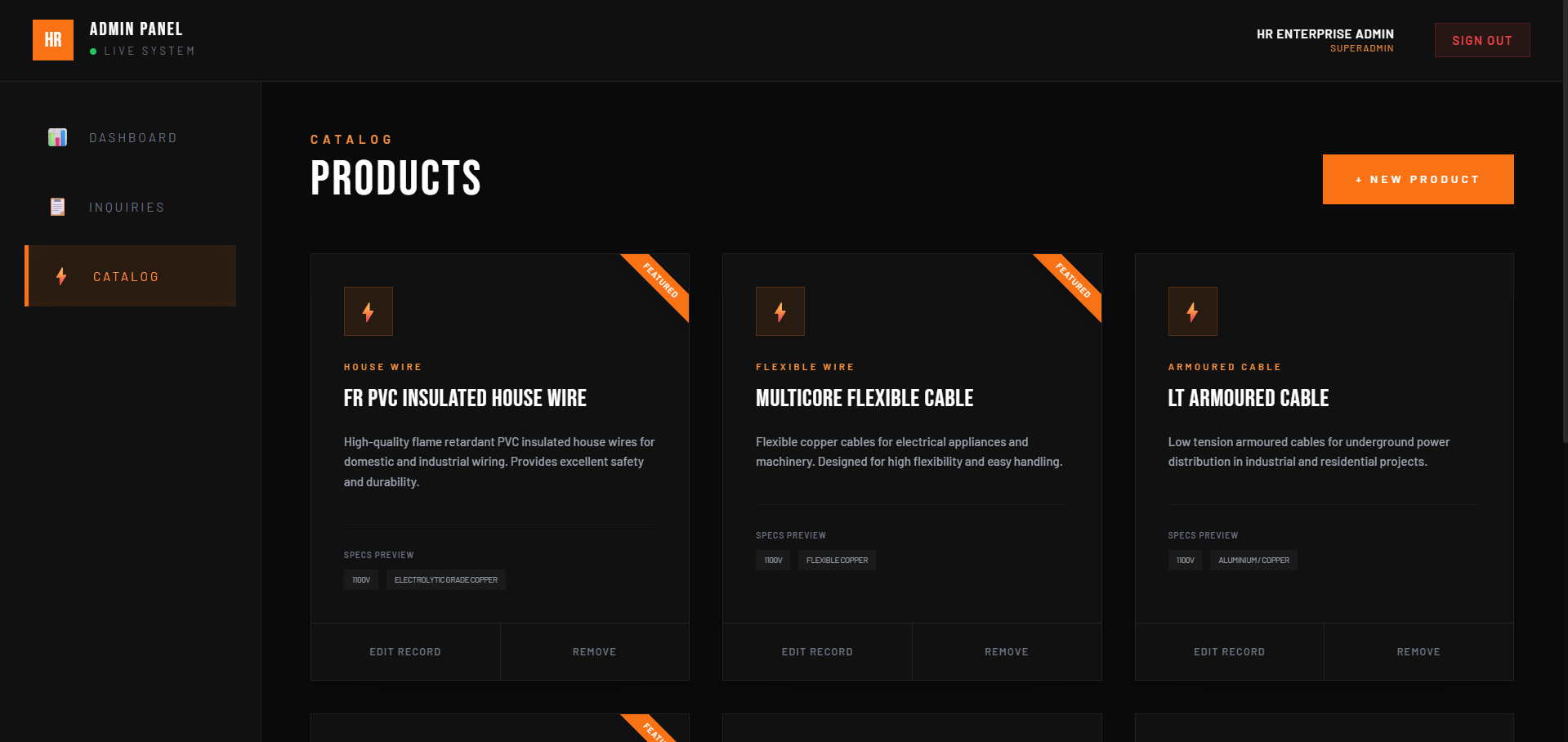
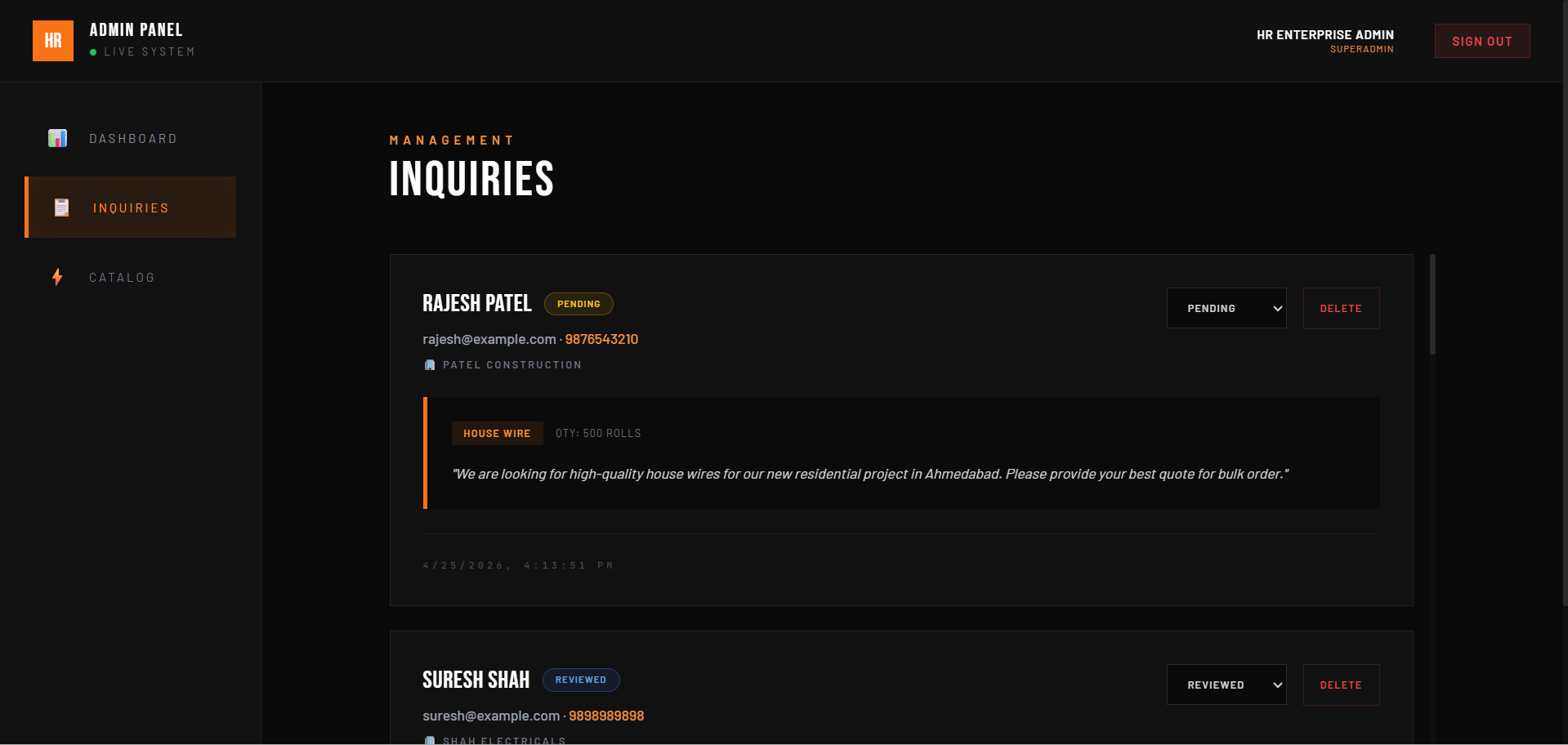

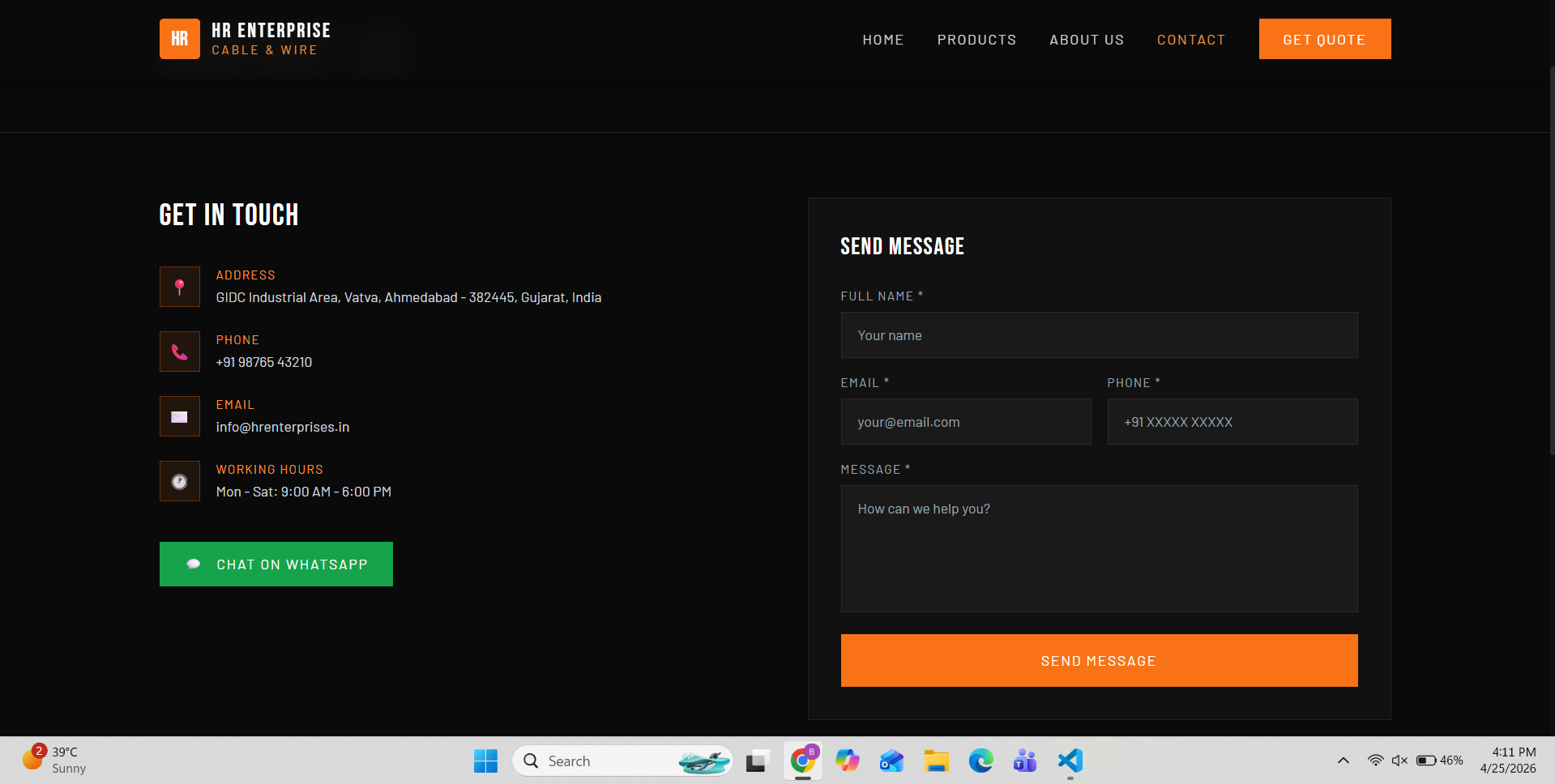
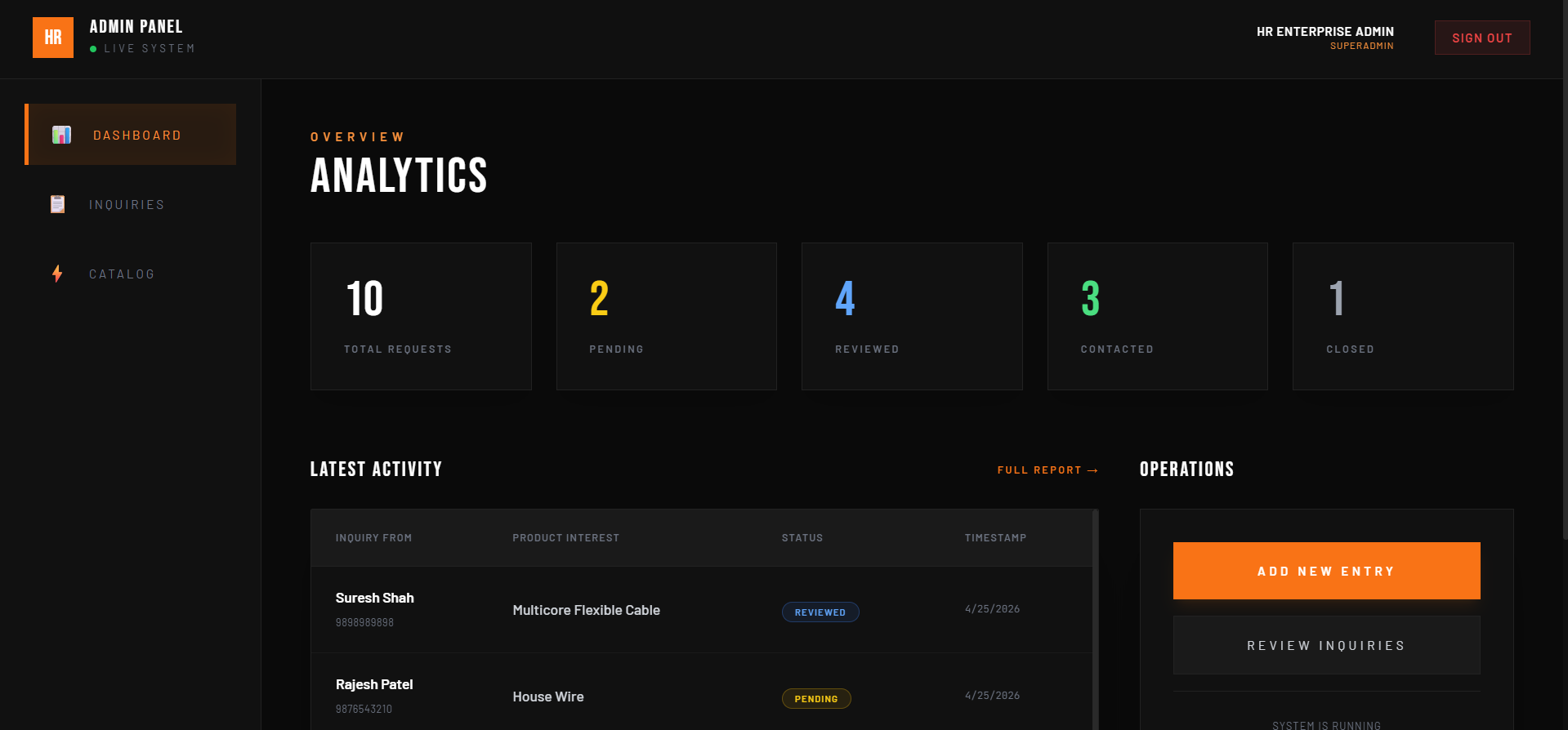

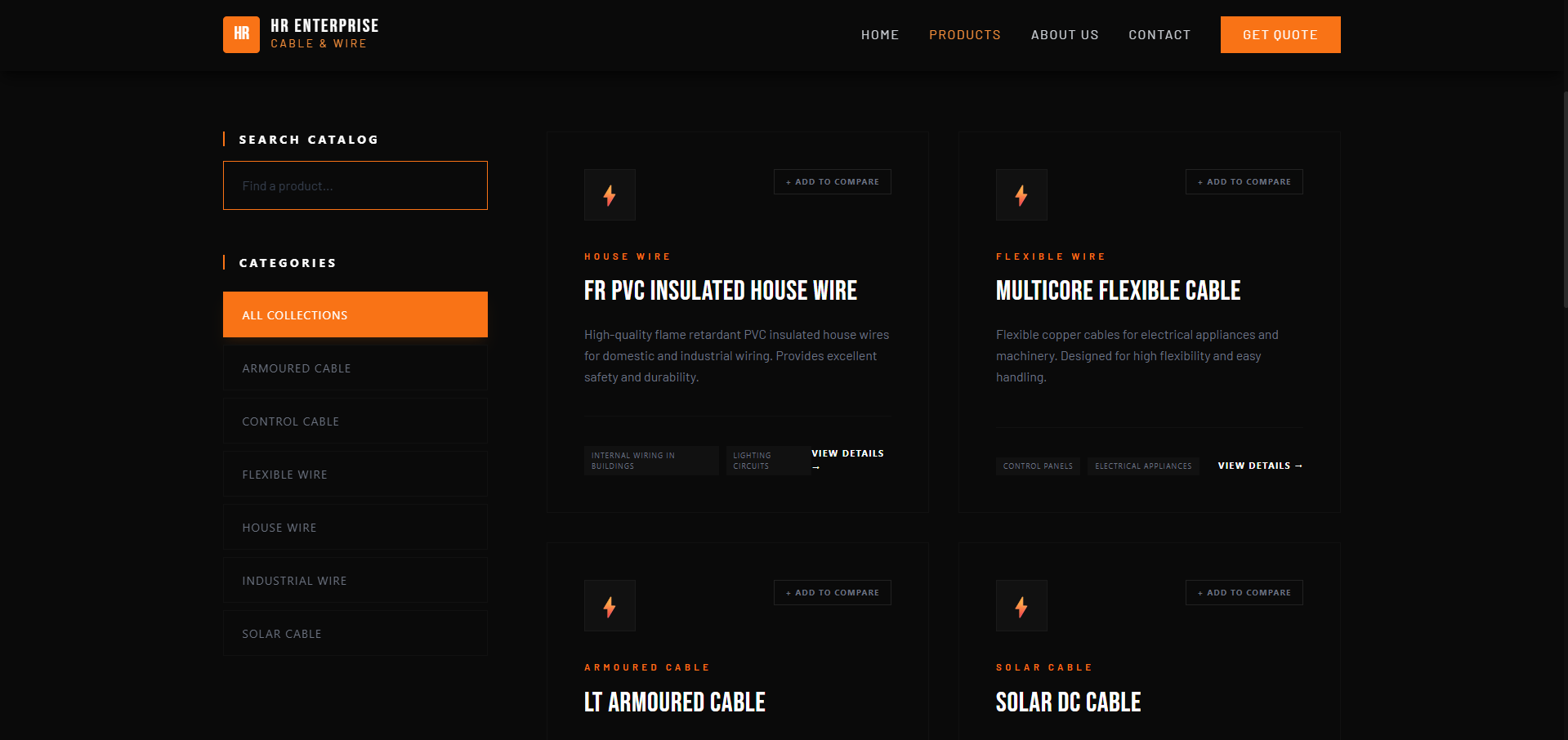
Key Features
- Employee management (add, update, delete records)
- Dashboard for HR overview
- Role-based data handling (admin/employee)
- Attendance or record tracking
- Organized data management
- Responsive user interface
- Secure data handling (basic level)
Functionality
- Admin logs into the system
- Admin can add, update, or delete employee records
- Data is stored in MongoDB
- Frontend sends requests to backend APIs
- Backend processes requests using Express.js
- Employee data is fetched and displayed on the dashboard
- Role-based access controls system usage
- UI updates dynamically based on data
Technology Used
- React (Frontend UI)
- Node.js (Server environment)
- Express.js (API development)
- MongoDB (Database)
- Mongoose (Schema modeling)
- Axios (API calls)
- CSS / Tailwind CSS (styling)
Why This Project Is Useful
- Helps users track and manage finances
- Improves budgeting and spending habits
- Good project for learning:
- CRUD operations
- State management
- Data handling
- Useful for portfolio and real-life application
- Demonstrates practical problem-solving
Deployment and Environment Setup
- Environment Variables Setup:
- backend/.env
- PORT: 5000
- MONGO_URI: mongodb_url_string
- JWT_SECRET: your_jwt_secret_key_here (if needed)
- frontend/.env
- VITE_API_URL: backend_url
- backend/.env
- Deployment Overview:
- Render or Railway for backend hosting
- Vercel or Netlify for frontend hosting
- MongoDB Atlas for the database
- Backend Deployment:
- Push your code to GitHub.
- Go to Render.com or Railway.app.
- Create a new Web Service and connect your GitHub repository.
- Choose “backend/” as the root directory.
- Add the following environment variables on Render:
- PORT=10000
- MONGO_URI=your MongoDB Atlas URI
- JWT_SECRET=your JWT secret
- Start command: npm start (Ensure your backend/package.json includes “start”: “node server.js”)
- After deployment, note your backend URL, e.g. https://your-backend-name.onrender.com
- Frontend Deployment:
- Go to Vercel.com or Netlify.com.
- Create a new project and connect the GitHub repo.
- Select the “frontend/” folder as root.
- In environment variables, set:
- VITE_API_URL=https://your-backend-domain.com/api (or REACT_APP_API_URL if using CRA)
- Deploy.
- MongoDB Atlas Setup:
- Go to https://cloud.mongodb.com
- Create a free cluster.
- Add your current IP address in Network Access.
- Create a database user and password.
- Copy the connection string and replace username, password, and database name in MONGO_URI in backend/.env
Download Source Code
Project Setup Instructions
Note: This project is for educational purposes only. Not for commercial sale.